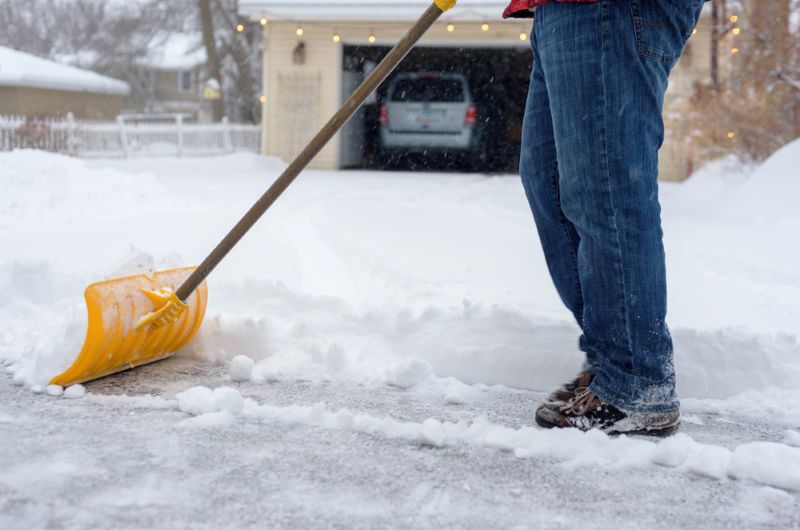
Winter weather creates ongoing safety concerns for property owners throughout Pennsylvania. Snow, freezing rain, and fluctuating temperatures can quickly turn walkways, parking lots, and entrances into dangerous areas. In places like Erie, where lake-effect snow and repeated freeze-thaw cycles are common, ice-related injuries are a frequent source of insurance claims and lawsuits.
Property owners often ask when they may be held responsible if someone slips and falls on ice. The answer depends on several factors, including how the ice formed, how long it was present, and whether reasonable steps were taken to address the hazard.
How Premises Liability Applies to Winter Conditions
Ice-related injury claims typically fall under Pennsylvania premises liability law. This area of law requires property owners and managers to maintain reasonably safe conditions for people who are legally on their property.
For commercial properties and other public-facing locations, this responsibility usually includes:
- Monitoring weather conditions and forecasts
- Inspecting the property for hazardous conditions
- Treating snow and ice within a reasonable time
- Addressing known or recurring problem areas
The law does not require perfection, but it does expect reasonable care. When ice hazards are ignored or left unaddressed, property owners may be exposed to liability if someone is injured as a result.
When Ice Becomes a Liability Issue
Ice alone does not automatically make a property owner legally responsible for an injury. Courts often focus on whether the owner knew, or should have known, about the hazardous condition and whether they responded appropriately.
Ice is more likely to create liability concerns when:
- It remains on walkways long after a storm has ended
- Melted snow refreezes due to drainage or surface issues
- Certain areas consistently ice over and are not corrected
- High-traffic areas are not monitored or treated regularly
When icy conditions are predictable or recurring, property owners are generally expected to take preventive action rather than waiting until someone gets hurt.
The Hills and Ridges Doctrine and Its Limits
Pennsylvania recognizes the hills and ridges doctrine, which can limit liability in certain winter weather situations. This doctrine applies when snow and ice are the result of a recent storm and create a generally slippery condition that is obvious to pedestrians.
However, this doctrine has important limitations. Property owners may still be liable if:
- Ice forms in uneven patches or ridges
- Snow removal efforts cause water to refreeze
- Ice results from runoff, poor drainage, or shading
- Conditions persist long after the storm has passed
Because of these limits, relying on the hills and ridges doctrine alone can be risky, especially for commercial properties with steady foot traffic.
Common Areas Where Ice-Related Injuries Occur
Many ice-related injuries happen in the same locations year after year. These areas often have characteristics that make them prone to repeated freezing and refreezing.
High-risk areas commonly include:
- Building entrances and exits
- Sidewalks beneath roof edges and downspouts
- Parking lots with slopes or uneven surfaces
- Loading docks and service entrances
- Ramps, stairways, and handrail areas
Without a thorough assessment, these locations may be treated inconsistently or overlooked during routine snow removal.
Why Snow Removal Alone Is Often Not Enough
Traditional snow removal focuses on clearing snow after it accumulates. While plowing and salting are essential, they do not always prevent ice from forming later. In Erie, temperature changes throughout the day can cause snowmelt to refreeze multiple times.
A reactive approach can lead to several issues, including:
- Gaps between service visits
- Missed refreeze events overnight or after hours
- Inconsistent treatment during extended storms
- Limited records showing what actions were taken
These gaps can increase the risk of injuries and make it harder to defend against liability claims.
How Snow and Ice Mitigation Helps Reduce Liability
Snow and ice mitigation takes a proactive approach to winter safety. Instead of focusing only on snow removal, mitigation planning looks at why ice forms and how to reduce those conditions before they become hazardous.
A comprehensive mitigation strategy often includes:
- Pre-season site evaluations
- Identification of recurring ice-prone areas
- Analysis of drainage and surface conditions
- Defined treatment triggers based on weather and site conditions
- Ongoing monitoring throughout winter weather events
Working with professionals who specialize in winter risk management helps property owners demonstrate that they took reasonable steps to protect visitors and occupants. Contact Allin Rose today to learn more about our snow and ice mitigation services and how proactive planning can help reduce liability exposure.
The Role of Documentation in Ice-Related Claims
Documentation plays a critical role when ice-related injury claims arise. Records can help show that a property owner acted responsibly and consistently throughout the winter season.
Helpful documentation may include:
- Weather monitoring logs
- Inspection and treatment schedules
- Notes identifying problem areas
- Records of corrective actions taken
Mitigation programs typically emphasize consistent documentation, which can be an important factor when insurers or attorneys review a claim.
Why Proactive Planning Matters in Erie, Pennsylvania
Erie’s winter climate presents unique challenges for property owners. Lake-effect snow, frequent storms, and regular freeze-thaw cycles make ice formation an ongoing concern rather than an occasional issue.
Without a clear winter plan, property owners may struggle to:
- Anticipate hazards before they develop
- Maintain consistent treatment during long storms
- Address refreezing outside of normal business hours
Proactive snow and ice mitigation planning creates consistency, improves safety, and reduces uncertainty throughout the winter season.
Contact Allin Rose Consulting Today for Questions About Snow and Ice Mitigation
Understanding when property owners may be liable for ice-related injuries starts with recognizing that many winter hazards are predictable. Taking a proactive approach to snow and ice management can reduce the likelihood of injuries while strengthening a property owner’s ability to defend against claims.
If you are concerned about winter liability or want to improve how your property is prepared for icy conditions, contact Allin Rose today to learn more about how we can help you plan for safer, more manageable winters.