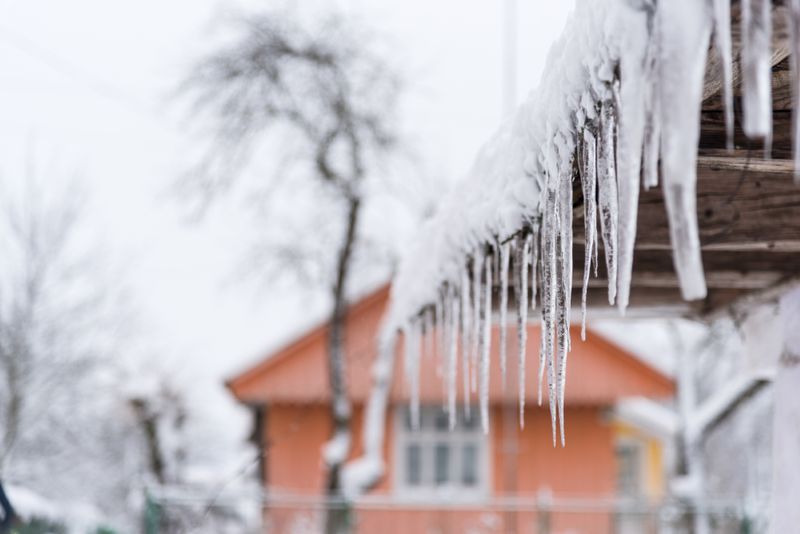
In Erie, Pennsylvania, winter is not a short season. Lake-effect snow, prolonged freezing temperatures, and repeated freeze-thaw cycles create persistent hazards for commercial properties, apartment complexes, retail centers, and institutional facilities. While many slip-and-fall claims focus on whether snow was shoveled or salt was applied, the underlying issue is often more complex. In many cases, the design and construction of a property play a significant role in creating or worsening icy conditions.
A poorly designed site can turn an ordinary snow event into a recurring safety problem. Drainage failures, improper grading, roof runoff patterns, and visibility limitations frequently combine with winter weather to create hazardous walking surfaces. In a city like Erie, where heavy snowfall is predictable every year, these design characteristics must be considered when evaluating liability in snow and ice litigation.
Poor Drainage and Improper Grading
One of the most common contributors to winter slip-and-fall accidents is inadequate drainage. When sidewalks, parking lots, and entryways are not properly graded, melting snow has nowhere to flow. Water collects in low spots and refreezes when temperatures drop, forming thin, nearly invisible sheets of ice.
Erie’s weather patterns make this especially problematic. Daytime melting followed by nighttime freezing is common throughout the winter months. If a property’s design directs runoff across pedestrian pathways or allows pooling near entrances, even consistent snow removal efforts may not eliminate the hazard. Salting may temporarily reduce slipperiness, but recurring melt and refreeze cycles will recreate icy patches in the same location.
Downspouts that discharge directly onto sidewalks, clogged drainage systems, and sloped pavement that channels water toward high-traffic areas are all examples of design issues that can increase risk. In litigation, these structural realities often raise questions about foreseeability. If a drainage flaw predictably produces ice after every storm, reasonable mitigation efforts must account for that condition.
Roof Design and Runoff Patterns
Rooflines and overhangs can also play a critical role in winter slip-and-fall cases. Sloped metal roofs, poorly insulated flat roofs, and inadequate ventilation systems can cause snow to melt unevenly. When meltwater drips or flows onto walkways and refreezes, it creates recurring ice hazards that may not be immediately visible.
Ice dams are another concern. When heat escapes through a roof, snow melts and refreezes at the roof edge, forming barriers that redirect water. That water may then spill over entryways or drip steadily onto sidewalks below. In Erie’s cold climate, where snow accumulation can be significant and sustained, these patterns can continue for days or weeks after a storm has passed.
In some cases, large sheets of snow or ice may slide off roof surfaces, especially when temperatures rise suddenly. This can create both impact hazards and slippery landing zones directly in front of building entrances. Evaluating these risks requires an understanding of how architectural features interact with local weather conditions.
Obstructed Walkways and Visibility Issues
Design flaws are not limited to drainage and roofing. Site layout decisions can significantly influence winter safety. Narrow sidewalks, tight turns, decorative landscaping, and poorly positioned light fixtures may reduce visibility or restrict safe foot traffic during snow events.
When plowed snow is piled in areas that block sightlines or force pedestrians into vehicular lanes, the danger increases. In retail plazas and apartment complexes throughout Erie, heavy accumulation can reduce walkway width and create confined corridors bordered by snowbanks. If the original design did not anticipate where snow would be stored, pedestrian safety may be compromised.
Lighting is another important consideration. Winter days in Northwestern Pennsylvania are short, and overcast conditions are frequent. Inadequate illumination can prevent pedestrians from recognizing icy patches, especially black ice that blends into pavement. A design that fails to provide sufficient lighting near entrances, crosswalks, and stairways can contribute to slip-and-fall incidents even when some snow removal efforts have been made.
When Maintenance Cannot Overcome Design Limitations
It is important to understand that snow removal contractors work within the physical constraints of a property. If the design channels water directly across a primary walkway, repeated salting and plowing may only provide temporary relief. The hazard will likely reappear as melting continues.
This is where litigation analysis becomes more nuanced. The issue is not necessarily whether the property was perfectly designed, but whether those responsible for maintenance recognized the design limitations and adjusted their snow response plan accordingly. Known trouble spots may require additional monitoring, more frequent treatment, or physical modifications to reduce risk.
Because Allin Rose Consulting works extensively in snow and ice mitigation and plaintiff litigation, evaluating how design features interact with maintenance practices is central to building or defending a case. The presence of a structural deficiency does not automatically assign fault to architects or engineers. Instead, the focus often turns to whether reasonable steps were taken to accommodate the realities of the existing design.
Foreseeability in a Region Like Erie
Erie is no stranger to significant snowfall. Lake-effect systems can produce double-digit accumulation in a short period of time, and drifting snow can concentrate in specific areas of a property. These conditions are not rare or unexpected. They are part of the region’s winter climate.
Because heavy snow and freeze-thaw cycles are foreseeable, property owners and managers are expected to plan accordingly. A design that consistently produces ice buildup in predictable areas requires thoughtful mitigation strategies. Failing to address those recurring hazards can increase exposure to liability.
In slip-and-fall litigation, meteorological data, maintenance logs, and site inspections often reveal patterns. If ice forms in the same location after multiple storms, that pattern may indicate that the underlying issue is structural rather than purely operational. Recognizing these distinctions is critical when assessing causation and responsibility.
The Role of Expert Evaluation in Design-Related Snow Cases
Understanding how design flaws contribute to winter accidents requires more than a simple review of weather conditions. It involves examining grading plans, drainage pathways, roof configurations, snow storage locations, and the property’s overall layout. It also requires analyzing how those features perform under real-world winter conditions in Erie.
Allin Rose Consulting brings extensive experience in snow and ice mitigation, response planning, and litigation support. By reviewing site conditions, snow response plans, contractor performance, and applicable legal standards, we help clarify whether a design issue created a foreseeable hazard and whether reasonable accommodations were made.
Slip-and-fall cases in winter are rarely as straightforward as they appear. In a city that regularly measures snowfall in feet rather than inches, structural realities matter. When design flaws amplify the natural risks of snow and ice, understanding those factors can make a significant difference in the outcome of a claim.
If you are handling a snow and ice case in Erie, Pennsylvania, and need a detailed evaluation of how property design may have contributed to the incident, we are here to help. Our knowledge of snow mitigation practices, drainage challenges, and winter weather patterns allows us to provide clear, objective analysis tailored to the unique demands of this region. Reach out to us to discuss how we can assist with your case.