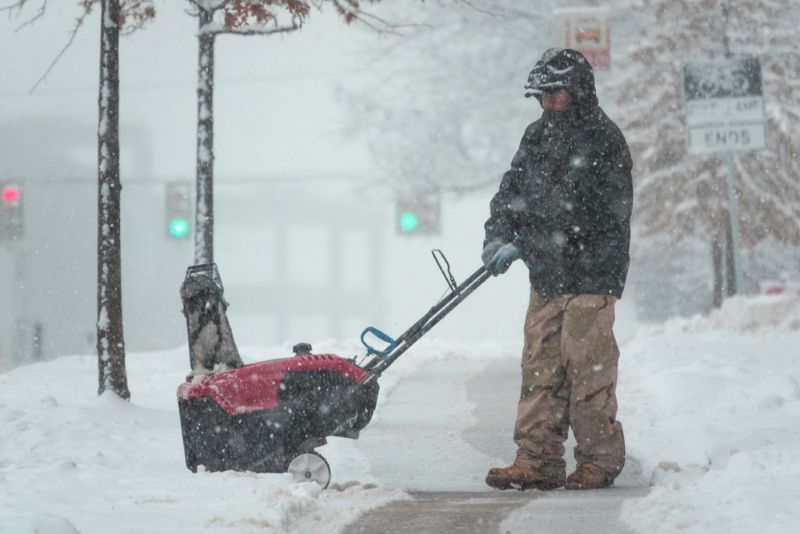
Winter weather can create serious operational and safety challenges for commercial properties. In Erie, Pennsylvania, where heavy lake-effect snow can create rapidly changing conditions, waiting until the first major storm arrives to determine how snow and ice will be handled can leave property owners and managers unprepared.
A snow response plan establishes procedures before those conditions occur. At Allin Rose Consulting, we help property owners, managers, contractors, and other organizations develop plans based on the needs of individual properties. Preparing before winter gives everyone involved a clearer understanding of priorities, responsibilities, communication procedures, and expected outcomes.
Start With a Preseason Property Inspection
An effective snow response plan should begin with a thorough preseason inspection. Conditions that are easy to identify during warmer weather may become difficult to see once several inches of snow cover a property.
For commercial properties in Erie, a preseason inspection can help identify areas that may require special attention during winter. These may include:
- Sidewalks and pedestrian routes
- Accessible parking spaces and access aisles
- Building entrances and exits
- Loading docks
- Fire lanes and emergency access points
- Parking lot slopes and drainage areas
- Curbs, islands, and other obstacles
- Locations suitable for snow storage
Drainage deserves particular attention. Snow placed in the wrong location may eventually melt, flow across a pedestrian or vehicle route, and refreeze when temperatures fall. A snow response plan should therefore consider not only where snow can be pushed during a storm, but what may happen to that snow afterward.
Establish Clear Snow and Ice Management Priorities
Not every portion of a large property can necessarily be serviced at exactly the same moment. A snow response plan should establish which areas receive priority based on how the property operates.
For example, a hospital, shopping center, university, industrial property, and apartment complex may have very different operational needs.
Priority areas might include main entrances, emergency routes, high-traffic sidewalks, loading areas, accessible routes, and primary vehicle lanes. Defining these areas before a storm helps crews understand where resources should be directed first.
The plan should also describe the desired outcome. Simply instructing a contractor to "clear the snow" can leave considerable room for disagreement. Expectations regarding service levels, timing, treatment, and follow-up inspections should be established before winter begins.
Our snow and ice consulting services help property owners, managers, and contractors establish procedures tailored to individual sites and winter operating requirements.
Plan for Different Types of Winter Storms
Anyone familiar with Erie winters knows that snow events do not all look alike. A relatively small accumulation may require a different response than prolonged lake-effect snowfall. Freezing rain, rapidly falling temperatures, drifting snow, and freeze-thaw cycles present additional challenges.
For that reason, a snow response plan should account for multiple scenarios rather than assuming every event will receive the same response.
Questions to consider include:
- When should crews and equipment be mobilized?
- When should anti-icing or pretreatment begin?
- What happens if snowfall exceeds the original forecast?
- How will operations change during an extended event?
- What procedures apply when freezing rain is expected?
- When should additional equipment or personnel be deployed?
- How will melting and refreezing be monitored after precipitation stops?
Planning for several scenarios gives decision-makers a framework for responding when conditions change.
Include Weather Monitoring and Pretreatment Procedures
Weather monitoring should be an active component of the plan, not something that begins when snow starts falling.
Forecasts can influence staffing, equipment deployment, material preparation, and pretreatment decisions. Monitoring changing temperatures is also important because pavement conditions can differ from air temperatures and because melting snow may later refreeze.
When appropriate for the property and expected conditions, pretreatment or anti-icing can also become part of the response strategy. The snow response plan should identify when these measures are considered, what materials may be used, and which areas receive priority.
In Erie, where winter conditions can change quickly, predetermined procedures can reduce the need to make every operational decision in the middle of an active storm.
Define Communication Responsibilities
A strong snow response plan addresses communication before, during, and after an event.
Property managers should know whom to contact if conditions require additional attention. Contractors should know who has authority to request additional services. Tenants or other stakeholders may also need a process for reporting hazardous areas.
Pre-event communication may cover forecasts, staffing, equipment, and anticipated service levels. During the storm, communication may involve changing conditions or unexpected problems. Afterward, the parties can confirm that required services have been completed and identify areas needing further attention.
Clear communication is particularly important for large Erie properties where several crews, contractors, managers, or tenants may be involved.
Establish Inspection, Verification, and Documentation Procedures
Completing snow and ice services is only part of winter property management. A snow response plan should also establish how those services will be verified and documented.
Depending on the property, documentation may include service logs, inspection records, weather information, photographs, material applications, GPS records, and communications between the parties.
Records can help answer important questions later, including when an area was serviced, what conditions were observed, what materials were applied, and whether follow-up work occurred.
Site inspections should continue after the main precipitation ends. Plowed snow can melt during the day and refreeze later. Snow piles may also obstruct visibility or interfere with drainage as conditions change.
Address Snow Storage Before Snow Begins Falling
Snow has to go somewhere, and determining that location during an active storm is often too late.
A designated storage area should avoid creating new problems for pedestrians, drivers, neighboring properties, and drainage systems. Large piles can block sightlines near intersections and parking lot exits. They can also occupy accessible parking areas or direct meltwater toward sidewalks.
Properties in Erie may experience repeated storms before previous snow has completely melted. A snow response plan should therefore consider whether designated storage areas can accommodate accumulated snowfall throughout the season and what happens when those areas reach capacity.
Review Responsibilities and Applicable Requirements
Property owners, managers, tenants, and snow removal contractors may each have responsibilities related to winter maintenance. Those responsibilities should be clearly established rather than assumed.
The plan should also account for applicable federal, state, and local requirements. Accessible routes, entrances, sidewalks, parking areas, and other property features may create specific considerations.
Contracts and snow response plans should work together. If the operational plan expects a service that the contractor has not agreed to provide, that disconnect can cause problems when severe weather arrives.
Update the Snow Response Plan Every Year
A snow response plan should not simply be created once and placed in a file.
Properties change. Contractors change. Pavement deteriorates. Landscaping is redesigned. Traffic patterns shift. New drainage problems emerge. A procedure that worked well during one Erie winter may need adjustment before the next.
After major events and at the end of the season, property owners and managers should evaluate what worked and what did not. Those observations can then be incorporated into the next version of the plan.
Annual review turns a snow response plan into an evolving operational tool rather than a static document.
Prepare Your Erie Property Before Winter Arrives
The best time to identify weaknesses in a snow response strategy is before an Erie winter storm puts that strategy to the test. A detailed plan can establish priorities, improve communication, account for changing weather conditions, and give property owners, managers, and contractors clear procedures to follow.
If you are dealing with snow and ice planning concerns, our consultants are here to help. Call Allin Rose Consulting today or connect with us online to discuss snow response planning for your Erie property.